
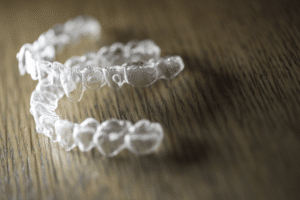
At Total Orthodontics, Dr. Brooks Barefoot, Dr. Kevin Theroux, and Dr. Elizabeth Donahue evaluate adults who want to improve crowding, spacing, shifting teeth, or bite alignment. Each is a Board-Certified Orthodontist who can determine whether clear aligners or another orthodontic option fits your needs.
Why Can Teeth Shift in Your 40s and 50s?
Teeth can continue to change position throughout adulthood. You may notice crowding in the lower front teeth, new spaces, or movement after orthodontic treatment earlier in life.
Shifting may become more noticeable when retainers are no longer worn as directed. Grinding, clenching, missing teeth, and changes in the tissues that support the teeth can also affect alignment or the way your bite feels.
If your smile has changed over time, an orthodontic evaluation can identify what is moving and whether treatment could improve the alignment.
Can Adults Over 40 Safely Use Invisalign?
Yes. Adults over 40 or 50 can often use Invisalign safely when their gums, teeth, and bone support are healthy enough for orthodontic movement.
The American Association of Orthodontists‘ adult orthodontics guidance explains that adults can benefit from orthodontic treatment at different stages of life.
Before recommending aligners, an orthodontist looks for concerns that could affect tooth movement. Active gum disease, significant loss of support around a tooth, or other untreated dental problems may need to be managed first.
A careful evaluation helps establish whether the teeth and supporting tissues are ready for movement and how treatment should be planned.
How Can Invisalign Fit Into Daily Life After 40?
Clear aligners can appeal to adults who want orthodontic treatment to fit around work, family responsibilities, meals, and daily oral care.
The aligners are removable, so you take them out when eating and when brushing and flossing. They are also less noticeable than traditional braces, which may appeal to adults who regularly attend meetings, presentations, social events, or other activities.
Removability also comes with responsibility. Aligners need to be worn according to your orthodontist’s instructions so each stage of planned movement can progress.
Braces remain another option for adult treatment. The better choice depends on your bite, the movements your teeth require, and which treatment method can address those needs effectively.
What If You Have Crowns, Bridges, or Dental Implants?
Crowns, bridges, and dental implants do not automatically prevent orthodontic treatment, but they need to be considered when tooth movement is planned.
A tooth with a crown may still be moved because the natural tooth and root remain underneath the restoration. A dental implant is different because it is fixed in the bone and does not move like a natural tooth.
Bridges may also affect how individual teeth can move because multiple teeth can be connected by the restoration. Your orthodontist can account for these factors when determining which teeth should move and how the bite should be managed.
Adults may also have worn teeth, gum recession, missing teeth, or other previous dental work. These factors can influence treatment planning, but they do not automatically rule out clear aligners.
What Should You Expect Before Starting Invisalign?
Before treatment begins, your orthodontist evaluates your tooth alignment, bite, oral health, dental history, and treatment goals. Digital records can help show current tooth positions and support planning for the movements that may be needed.
Your consultation may also include a review of previous orthodontic treatment and any restorations that could affect how the teeth move.
The evaluation helps determine which orthodontic treatment can safely and effectively address your teeth and bite. Some adults want to correct teeth that shifted after earlier treatment, while others are addressing crowding, spacing, or bite concerns for the first time.
This is also an opportunity to discuss what you want to change and ask how clear aligners would fit into your daily routine.
How Long Can Treatment Take After 40?
Treatment time depends on the correction needed, not simply on whether you are in your 40s or 50s. Minor tooth movement may require less time than treatment involving several teeth or a more complex bite concern.
How consistently you wear your aligners can also affect progress. Following the prescribed wear schedule and attending orthodontic visits allow your doctor to monitor movement and determine whether adjustments are needed.
Once active treatment is complete, retainers help hold the teeth in their new positions. Teeth can continue to shift throughout adulthood, so following your retention instructions is an important part of maintaining your results.
Ready to Find Out if Invisalign Fits Your Smile?
If you are considering clear aligners, an orthodontic evaluation can show what is causing your concerns and which treatment approach may help. You can learn what needs to change, whether Invisalign is suitable, and what to expect before treatment begins.
At Total Orthodontics in Lone Tree, CO, Dr. Barefoot, Dr. Theroux, or Dr. Donahue can evaluate your orthodontic needs and discuss the options available to you. Schedule a complimentary consultation to learn whether Invisalign could help you reach your smile goals.